

Why Lens Selection Matters for Optical Shops
For many optical shops, frames attract customers—but lenses drive both customer satisfaction and long-term profitability.
Today’s consumers are no longer looking for basic vision correction alone. They expect solutions that improve comfort, support digital lifestyles, reduce eye fatigue, and provide greater convenience in everyday life.
As a result, optical retailers face an important question:
Which eyeglass lenses should I stock and recommend to my customers?
Understanding how to choose eyeglass lenses is no longer a simple matter of picking the cheapest or most popular option. The answer goes beyond price or popularity. Successful optical shops build a lens portfolio that addresses different customer needs while creating opportunities for premium upgrades and increased value.
This guide explores how opticians compare lens categories, evaluate customer needs, and select the best-selling lens solutions for modern optical retail.

Understanding Today’s Lens Market
Consumer expectations have changed significantly over the last decade.
Several major trends now influence lens purchasing decisions:
- Increased screen time
- Growing awareness of eye comfort
- Demand for premium products
- Interest in visual wellness
- Desire for convenience
As these trends continue to grow, optical shops that offer relevant lens technologies are often better positioned to increase both customer satisfaction and average transaction value.
The Foundation: Single Vision Lenses
Every optical shop should maintain a strong single vision lens offering.
Single vision lenses remain the largest volume category in most markets because they serve:
- Myopic patients
- Hyperopic patients
- Students
- Young adults
- First-time wearers
However, single vision lenses should often be viewed as the starting point rather than the final recommendation.
Many customers can benefit from premium enhancements that improve comfort and increase perceived value.
BlueCut Lenses: A Must-Have Category
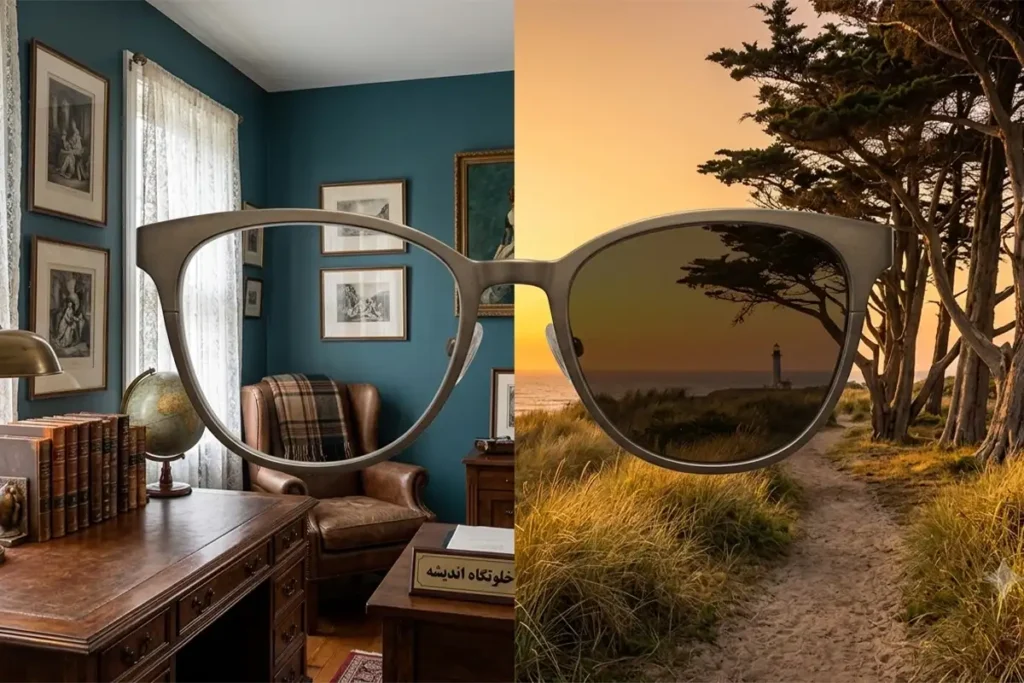
Few lens categories have experienced growth comparable to digital lifestyle lenses.
BlueCut lenses have become a highly successful recommendation because they address a concern familiar to almost every customer: screen use.
Ideal Customer Profiles
- Students
- Office workers
- Remote employees
- Smartphone users
Why Optical Shops Like Them
- Easy to explain
- Broad customer appeal
- Suitable for most prescriptions
- Strong upgrade opportunity
For many optical stores, BlueCut lenses have become a standard recommendation rather than an optional add-on.
BlueControl Lenses: A Premium Upgrade Opportunity
Customers who spend many hours on digital devices often seek more advanced solutions.
BlueControl lenses provide a premium option for intensive screen users.

Ideal Customer Profiles
- Programmers
- Engineers
- Designers
- Gamers
- Digital professionals
Business Advantages
- Higher perceived value
- Premium positioning
- Strong differentiation from basic lenses
BlueControl technology allows optical shops to serve the growing population of heavy digital users.
Anti-Fatigue Lenses: One of the Most Underrated Categories
Many younger customers experience visual fatigue long before they require progressive lenses.
Anti-Fatigue lenses help bridge this gap.
Ideal Customer Profiles
- Students
- Young professionals
- Heavy readers
- Frequent smartphone users
Why They Sell Well
Customers often recognize symptoms of tired eyes immediately, making Anti-Fatigue lenses relatively easy to recommend.
They also create a valuable upgrade path between traditional single vision and progressive lenses.
Progressive Lenses: The Premium Revenue Driver
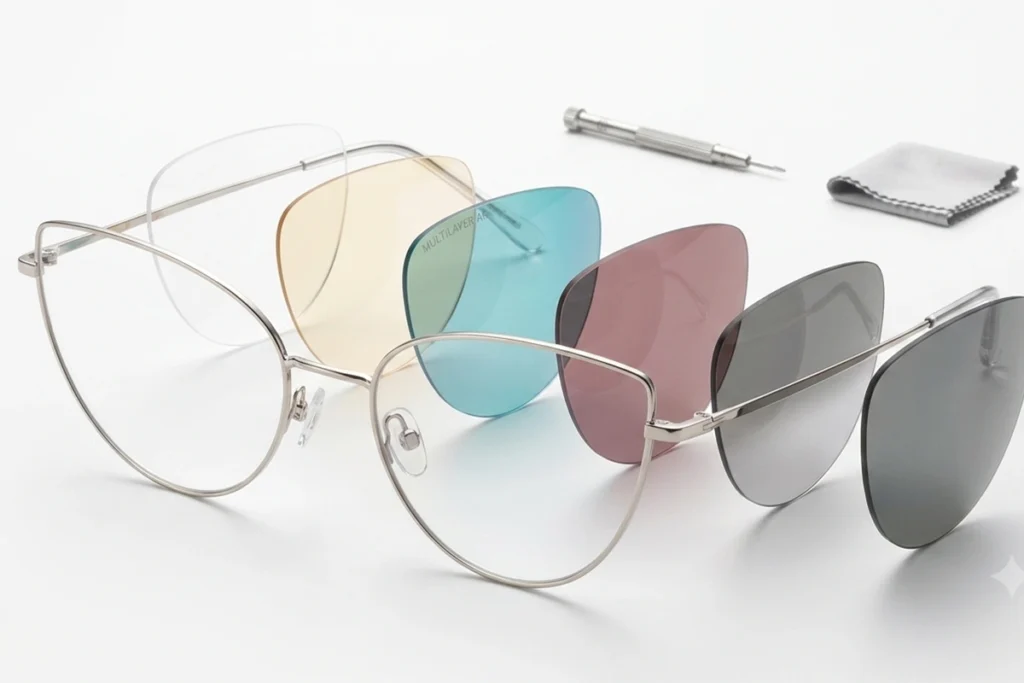
For most optical shops, progressive lenses remain one of the most important premium categories.
They offer:
- High customer value
- Strong profitability
- Long-term customer loyalty
Progressive lenses are particularly important for customers over 40 who need multiple viewing distances.
A well-structured progressive lens portfolio can significantly influence an optical shop’s overall profitability.
Photochromic Lenses: Convenience Sells
Photochromic lenses continue to perform well because they solve a practical problem.
Instead of carrying separate prescription glasses and sunglasses, customers can enjoy both functions in one product.
Best Customer Profiles
- Drivers
- Outdoor professionals
- Frequent travelers
- Active lifestyles
Convenience remains one of the strongest selling points in optical retail.
How Opticians Choose Lenses for Customers
Successful opticians rarely start with lens products.
Instead, they start with lifestyle questions.
Examples include:
- How many hours do you use a computer?
- Do your eyes feel tired at the end of the day?
- Do you drive frequently?
- Do you spend time outdoors?
- Do you use multiple digital devices?
These questions naturally guide customers toward appropriate lens solutions.
Which Lens Categories Generate the Most Value?
Although every market differs, several categories consistently create strong demand:
- BlueCut Lenses
- BlueControl Lenses
- Anti-Fatigue Lenses
- Progressive Lenses
- Photochromic Lenses
- Premium Anti-Reflective Coatings
The most profitable recommendations are usually those that solve real customer problems rather than simply adding features.
Building a Smart Lens Portfolio with Smart Vision
At Smart Vision, we believe successful optical shops need solutions for every customer category.
Our portfolio is designed to support both consumer satisfaction and retail growth.
Smart Vision Lens Categories
BlueCut Lenses
For everyday digital lifestyles.
BlueControl Lenses
For intensive screen users.
Anti-Fatigue Lenses
For customers experiencing visual fatigue.
Progressive Lenses
For multifocal vision correction.
Photochromic Solutions
For adaptive comfort and convenience.
Premium Coatings
For enhanced visual performance.
Together, these categories help optical shops address the most common consumer needs while building a stronger premium lens business.
Final Thoughts
Choosing which eyeglass lenses to stock is no longer just a product decision—it is a business strategy.
At companies like Smart Optik , which specialize in producing a wide range of lens brands including Smart Vision, the focus goes beyond manufacturing alone and extends to understanding real customer lifestyles and market needs.
The most successful optical shops understand customer lifestyles and build a lens portfolio that addresses modern visual challenges.
By combining core products with high-demand technologies such as BlueCut, BlueControl, Anti-Fatigue, Progressive, and Photochromic lenses, optical retailers can improve customer satisfaction, strengthen differentiation, and create sustainable business growth.