Understanding Eyeglass Lenses and Their Role in Clear Vision
Eyeglass lenses are one of the most important inventions in vision care. Millions of people around the world rely on them every day to see clearly, reduce eye strain, and improve visual comfort. However, many consumers still do not fully understand what eyeglass lenses are, how they work, or which types of optical lenses are best for their needs, including modern options such as lens coatings for eye protection. In this beginner-friendly guide, we will explain the basics of eyeglass lenses, explore different types of eyeglass lenses, and help you understand the technologies behind modern prescription eyewear.
What Are Eyeglass Lenses?
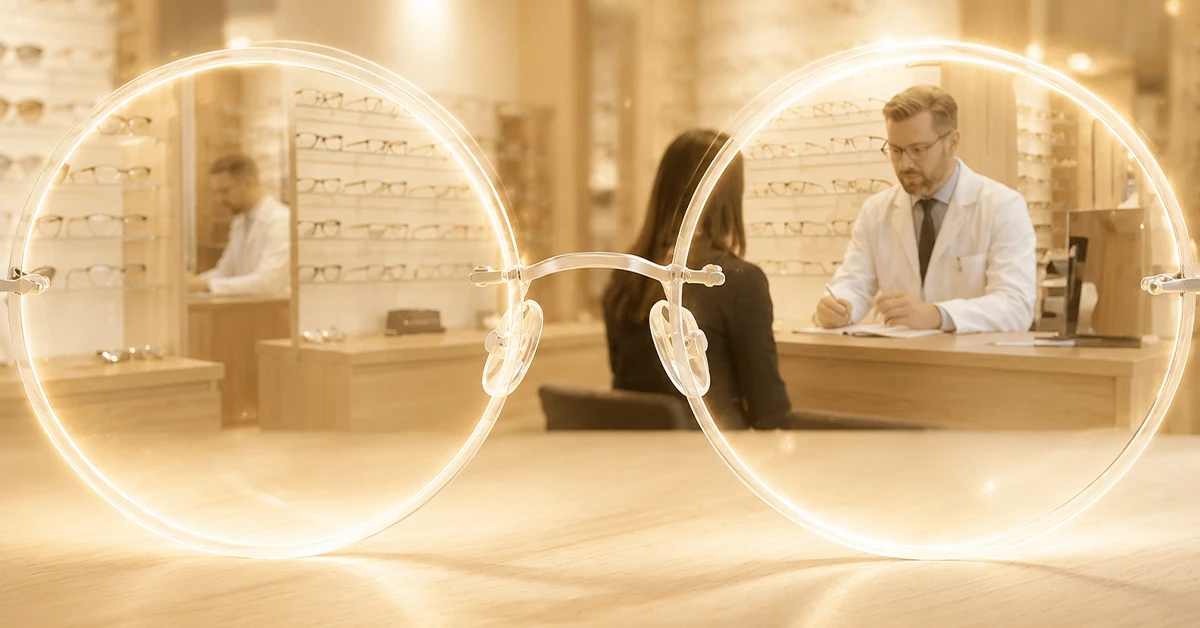
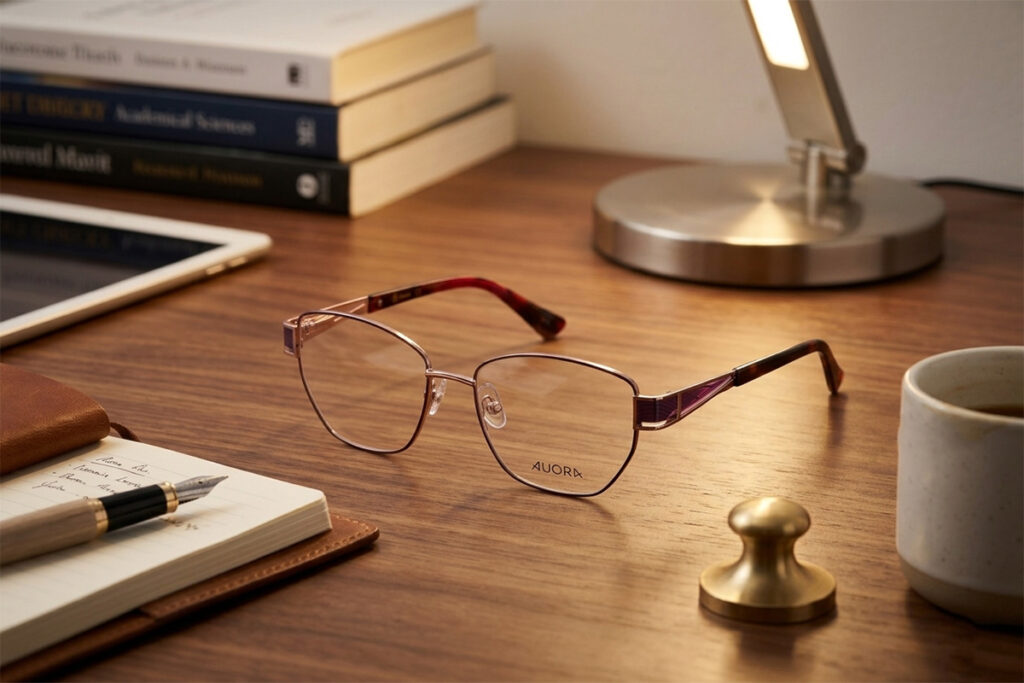
Eyeglass lenses are transparent optical elements placed inside eyeglass frames to correct vision problems or enhance visual performance.
Their main purpose is to direct incoming light properly so that images focus clearly on the retina inside the eye.
When the eye cannot naturally focus light accurately, vision becomes blurry. Eyeglass lenses help compensate for these focusing errors and improve clarity at different distances.
Modern eyeglass lenses can also provide additional benefits such as:
• UV protection
• Glare reduction
• Blue light filtering
• Improved comfort during screen use
• Enhanced visual sharpness
Today’s optical lenses are far more advanced than the simple glass lenses used decades ago. Digital surfacing and precision manufacturing technologies now allow lenses to be thinner, lighter, and more personalized than ever before.
How Eyeglass Lenses Work
To understand how eyeglass lenses work, it is helpful to first understand how the human eye processes light.
Normally, light enters the eye through the cornea and natural crystalline lens. These structures bend the light and focus it onto the retina at the back of the eye.
When the eye shape is imperfect, the focus point shifts away from the retina, causing blurred vision.
Eyeglass lenses modify the direction of incoming light before it enters the eye, allowing images to focus more accurately.
Common Vision Problems Corrected by Eyeglass Lenses
Myopia (Nearsightedness)
People with myopia usually see nearby objects clearly but struggle with distant vision.
Corrective lenses for myopia spread incoming light slightly outward so that distant objects become clearer.
Hyperopia (Farsightedness)
Hyperopia makes close-up tasks such as reading more difficult.
Lenses for hyperopia help move the focus point forward onto the retina for improved near vision.
Astigmatism
Astigmatism occurs when the cornea or lens has an irregular shape.
Specialized optical lenses correct these uneven curves and help produce sharper, more stable vision.
Presbyopia
Presbyopia is an age-related condition that affects near focusing ability, usually after age 40.
Many people with presbyopia require lenses that support multiple viewing distances.
Types of Optical Lenses
There are several different types of optical lenses available today. Each design serves specific visual needs and lifestyles.
Single Vision Lenses
Single vision lenses contain one prescription power throughout the entire lens.
They are commonly prescribed for:
• Distance vision
• Reading
• Computer use
Single vision lenses remain one of the most widely used lens options because of their simplicity and effectiveness.

Progressive Lenses
Progressive lenses provide gradual visual transitions between different viewing distances without visible lines.
They combine:
• Distance correction
• Intermediate vision
• Near vision
These lenses are popular among adults who need clear vision for daily activities such as driving, working, and reading.
Compared to traditional bifocals, progressive lenses offer a more natural appearance and smoother visual experience.
Bifocal Lenses
Bifocal lenses contain two separate optical zones within the same lens.
Typically:
• The upper portion supports distance vision
• The lower portion assists with near tasks
Although progressive lenses are increasingly preferred, bifocals are still used in many cases.
Photochromic Lenses
Photochromic lenses automatically adapt to changing light conditions.
They darken outdoors under sunlight and return to a clear state indoors.
These lenses are especially convenient for users who frequently move between indoor and outdoor environments.
Blue Light Filtering Lenses
Digital screens emit high-energy visible blue light.
Blue light filtering lenses are designed to improve visual comfort during extended screen exposure.
They are commonly chosen by:
• Office workers
• Students
• Gamers
• Frequent smartphone users
Many users report reduced visual fatigue and improved comfort during prolonged digital activities.
Lens Materials
Modern eyeglass lenses are available in several materials, each offering unique advantages.
Standard Plastic Lenses
Plastic lenses are lightweight, affordable, and suitable for many everyday prescriptions.
Polycarbonate Lenses
Polycarbonate lenses are thinner and more impact-resistant than conventional plastic lenses.
They are often recommended for:
• Children
• Sports eyewear
• Active lifestyles
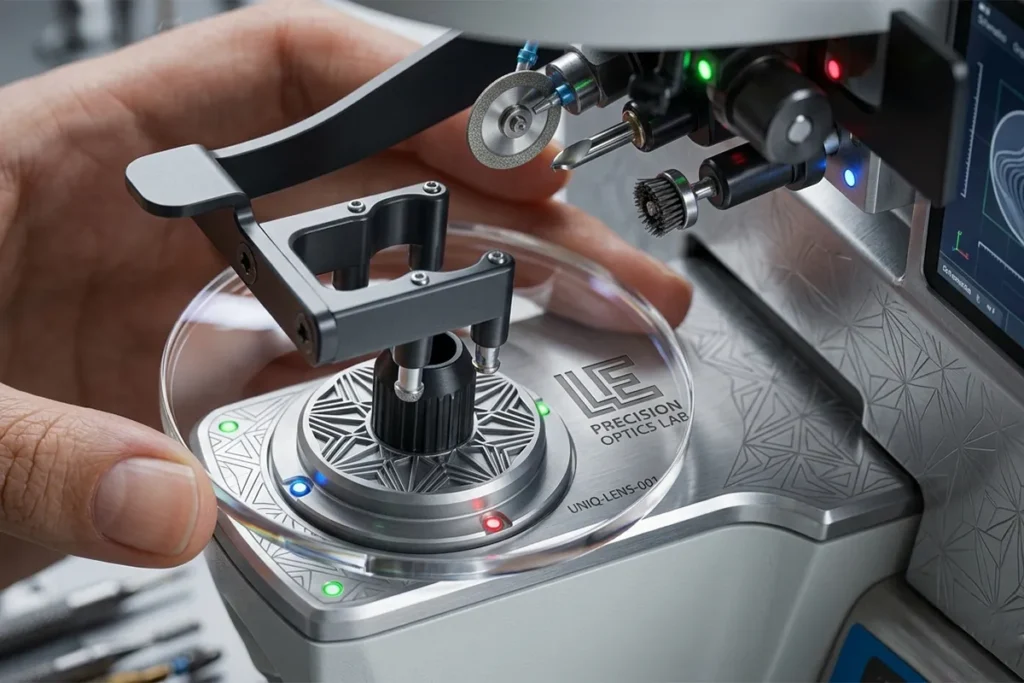
High-Index Lenses
High-index lenses are designed for stronger prescriptions.
They provide a thinner and lighter appearance compared to standard materials, improving both comfort and aesthetics.
Important Lens Coatings and Treatments
Modern optical lenses often include specialized coatings that enhance durability and performance.
Anti-Reflective Coating
Anti-reflective coatings reduce unwanted reflections and glare.
Benefits include:
• Better night driving visibility
• Improved screen viewing
• Enhanced cosmetic appearance
Scratch-Resistant Coating
This coating improves lens durability and helps protect against minor surface damage during everyday use.
UV Protection
Many modern eyeglass lenses include UV-blocking technology to help protect the eyes from harmful ultraviolet radiation.
Long-term UV exposure may contribute to eye health concerns over time.
Choosing the Right Eyeglass Lenses
Selecting the right eyeglass lenses depends on several factors:
• Prescription strength
• Lifestyle
• Daily screen time
• Outdoor activity
• Driving habits
• Budget
Consumers should not focus only on frames when purchasing eyewear. Lens quality directly affects:
• Visual clarity
• Comfort
• Adaptation
• Long-term satisfaction
High-quality lenses often provide wider clear vision zones, improved peripheral performance, and reduced distortion.
Why Modern Lens Technology Matters
Optical technology has evolved significantly in recent years.
Advanced manufacturing methods now allow greater precision, customization, and visual optimization than older lens production techniques.
Modern freeform and digitally surfaced lenses can deliver:
• Sharper vision
• Better edge clarity
• More natural visual transitions
• Improved wearing comfort
Brands such as Smart Vision continue to focus on lens innovation and visual performance solutions designed for modern lifestyles.
Final Thoughts
“Understanding eyeglass lenses helps consumers make smarter decisions about their vision care. From single vision lenses to advanced progressive and digital designs, today’s optical lenses offer solutions for nearly every lifestyle and visual requirement. Knowing how eyeglass lenses work, learning the different types of optical lenses, and understanding available lens technologies can help users choose eyewear that delivers both comfort and performance. As visual demands continue to increase in the digital age, high-quality eyeglass lenses—such as those developed by Smart Optik—have become more important than ever for everyday life.”