آشنایی با تفاوت عدسیهای تدریجی و تکدید
انتخاب عدسی مناسب عینک تأثیر مستقیمی بر راحتی بینایی، کیفیت دید و کیفیت زندگی روزمره دارد. یکی از رایجترین پرسشهایی که هنگام خرید عینک مطرح میشود این استپ:
عدسی تدریجی بهتر است یا عدسی تکدید ؟
هر دو نوع عدسی کاربرد گستردهای دارند، اما برای نیازهای بینایی کاملاً متفاوتی طراحی شدهاند.
در این راهنمای جامع، تفاوت میان عدسیهای تدریجی و تکدید را بررسی میکنیم، مزایا و محدودیتهای هر یک را مقایسه خواهیم کرد و توضیح میدهیم که هر کدام برای چه افرادی و در چه شرایطی—از مطالعه و کار با نمایشگرهای دیجیتال گرفته تا رانندگی و نیازهای بینایی مرتبط با افزایش سن—انتخاب مناسبتری هستند.
عدسیهای تکدید چیست؟
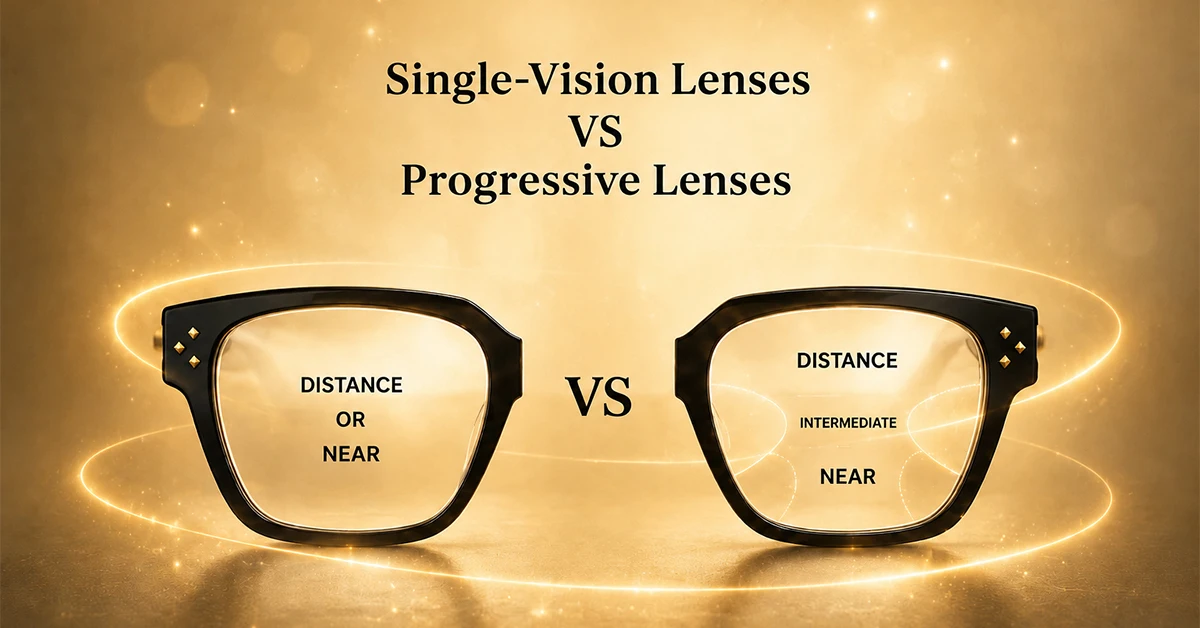
عدسیهای تکدید در تمام سطح خود تنها یک قدرت اپتیکی ثابت دارند.
به عبارت دیگر، این عدسیها برای اصلاح یک فاصله مشخص طراحی شدهاند و تنها یک نوع نیاز بینایی را پوشش میدهند.
عدسیهای تکدید معمولاً برای موارد زیر استفاده میشوند:
- اصلاح دید دور
- مطالعه و دید نزدیک
- کار با رایانه
- استفاده روزمره برای کودکان، نوجوانان و افراد جوان
برای مثال:
- فردی که دچار نزدیکبینی (Myopia) است، میتواند از عدسی تکدید برای داشتن دیدی واضح در فواصل دور استفاده کند.
- فردی که به پیرچشمی (Presbyopia) مبتلا شده است، ممکن است از یک عینک مطالعه با عدسی تکدید برای انجام فعالیتهای نزدیک مانند مطالعه یا استفاده از تلفن همراه استفاده کند.
عدسیهای اسمارت ویژن به دلیل طراحی ساده، عملکرد دقیق و سازگاری سریع با سیستم بینایی، یکی از رایجترین و پرکاربردترین انواع عدسیهای طبی در جهان محسوب میشوند.

عدسیهای تدریجی چیست؟
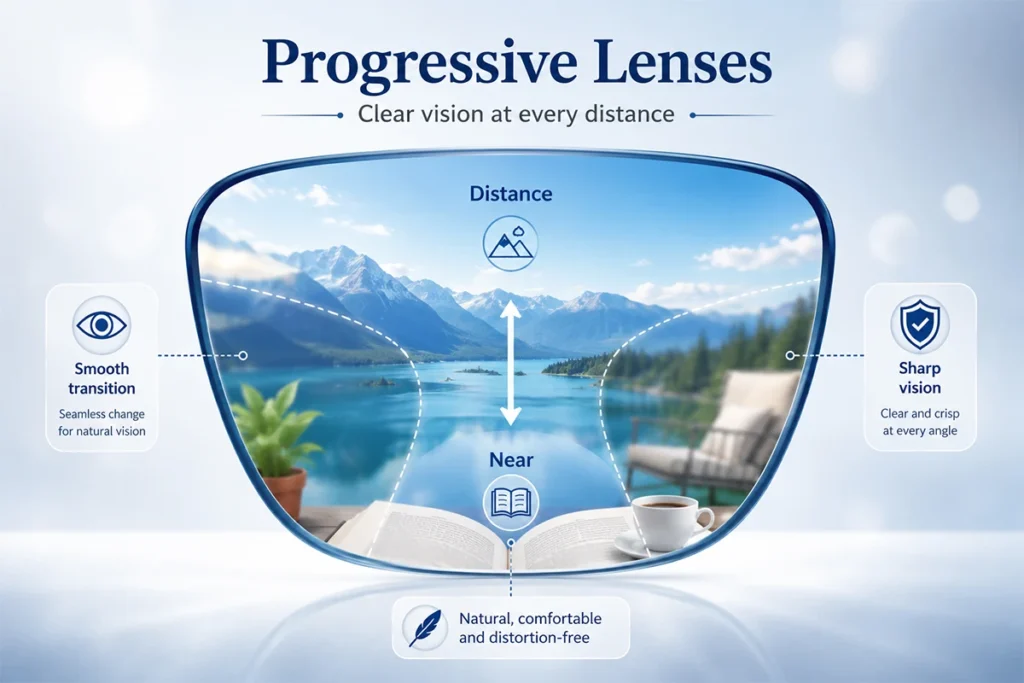
عدسیهای تدریجی (Progressive) نوعی عدسی چندکانونی (Multifocal) هستند که امکان اصلاح بینایی در چندین فاصله مختلف را بهصورت کاملاً روان و بدون مرزهای قابل مشاهده در یک عدسی واحد فراهم میکنند.
برخلاف عدسیهای دوکانونه (Bifocal)، در عدسیهای تدریجی هیچ خط جداکنندهای بین نواحی مختلف دید وجود ندارد؛ بنابراین انتقال بین فواصل مختلف کاملاً طبیعی و پیوسته انجام میشود.
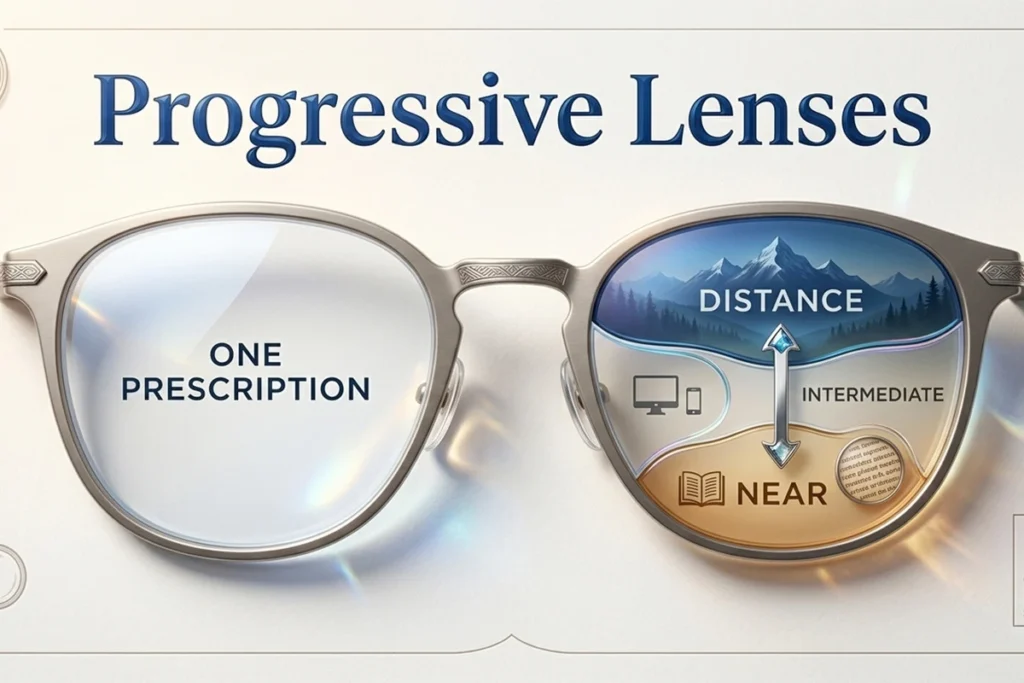
یک عدسی تدریجی معمولاً از سه ناحیه اصلی تشکیل شده است:
- بخش بالایی عدسی: برای دید دور
- بخش میانی عدسی: برای دید میانی (مانند کار با رایانه)
- بخش پایینی عدسی: برای دید نزدیک و مطالعه
این طراحی هوشمند به کاربر اجازه میدهد بدون نیاز به تعویض عینک، بهراحتی بین فعالیتهای مختلف جابهجا شود، از جمله:
- رانندگی
- مطالعه
- کار با رایانه و لپتاپ
- پیادهروی
- استفاده از تلفن همراه و سایر دستگاههای دیجیتال
به همین دلیل، عدسیهای تدریجی یکی از محبوبترین انتخابها برای افراد بالای ۴۰ سال هستند؛ افرادی که به دلیل پیرچشمی (Presbyopia) به اصلاح همزمان دید دور، میانی و نزدیک نیاز دارند.
با فراهم کردن دیدی یکپارچه در تمام فواصل، این عدسیها راحتی بیشتری در انجام فعالیتهای روزمره ایجاد کرده و نیاز به استفاده از چند عینک مختلف را از بین میبرند.
مقایسه عدسیهای تدریجی و تکدید؛ تفاوتهای اصلی
تعداد فواصل دید
مهمترین تفاوت میان عدسیهای تدریجی (Progressive) و عدسیهای تکدید (Single Vision)، تعداد نواحی دیدی است که هر یک پوشش میدهند.
عدسیهای تکدید
این عدسیها تنها یک فاصله دید را اصلاح میکنند.
بنابراین هر عدسی تنها برای یکی از کاربردهای زیر طراحی میشود:
- دید دور
- دید نزدیک (مطالعه)
- دید میانی (مانند کار با رایانه)
عدسیهای تدریجی
عدسیهای تدریجی چندین فاصله دید را بهطور همزمان در یک عدسی واحد اصلاح میکنند.
این عدسیها امکان دید واضح را در فواصل زیر فراهم میکنند:
- دید دور
- دید میانی
- دید نزدیک
به همین دلیل، برای افرادی که همزمان به اصلاح دید دور و نزدیک نیاز دارند، عدسیهای تدریجی گزینهای بسیار انعطافپذیرتر و کاربردیتر محسوب میشوند.
دوره سازگاری با عدسی
یکی دیگر از تفاوتهای مهم میان این دو نوع عدسی، مدت زمان سازگاری چشم با آنها است.
عدسیهای تکدید
از آنجا که قدرت اپتیکی در تمام سطح عدسی ثابت است، استفاده از این عدسیها معمولاً بسیار ساده بوده و بیشتر افراد تقریباً بدون نیاز به دوره سازگاری به آن عادت میکنند.
عدسیهای تدریجی
در عدسیهای تدریجی، کاربر باید یاد بگیرد برای هر فاصله دید، از بخش مناسب عدسی استفاده کند.
به همین دلیل، ممکن است مدتی زمان لازم باشد تا چشم و مغز به این نحوه جدید دیدن عادت کنند.
مدت زمان سازگاری در افراد مختلف متفاوت است:
- برخی افراد تنها طی چند روز کاملاً به عدسی عادت میکنند.
- برخی دیگر ممکن است به چند هفته زمان نیاز داشته باشند.
البته امروزه عدسیهای تدریجی فریفرم نسبت به نسلهای قدیمی پیشرفت چشمگیری داشتهاند و به لطف طراحیهای شخصیسازیشده، فرآیند سازگاری بسیار سریعتر و راحتتر شده است.
راحتی بینایی با افزایش سن
با افزایش سن، قدرت طبیعی چشم برای تمرکز روی اجسام نزدیک بهتدریج کاهش پیدا میکند. این وضعیت که پیرچشمی (Presbyopia) نام دارد، معمولاً از حدود ۴۰ سالگی آغاز میشود.
در این شرایط:
عینکهای تکدید مطالعه
میتوانند دید نزدیک را اصلاح کنند، اما تنها هنگام انجام فعالیتهایی مانند مطالعه یا استفاده از تلفن همراه کاربرد دارند.
عدسیهای تدریجی
راهکاری کاملتر برای زندگی روزمره ارائه میدهند، زیرا بدون نیاز به تعویض عینک، امکان دید واضح در فواصل دور، میانی و نزدیک را فراهم میکنند.
به همین دلیل، بسیاری از افراد پس از ابتلا به پیرچشمی، بهتدریج عدسیهای تدریجی را به استفاده از چندین عینک مختلف ترجیح میدهند؛ چراکه این عدسیها انجام فعالیتهایی مانند رانندگی، کار با رایانه، مطالعه و استفاده از تلفن همراه را با یک عینک امکانپذیر میکنند و راحتی بیشتری در زندگی روزمره به همراه دارند.
کدام عدسی برای مطالعه بهتر است؟
پاسخ این سؤال به نحوه استفاده شما از چشمها در طول روز بستگی دارد.
اگر بیشتر زمان خود را صرف مطالعه یا انجام کارهای نزدیک میکنید، ممکن است یک نوع عدسی انتخاب مناسبتری باشد. اما اگر مرتب بین دید نزدیک، میانی و دور جابهجا میشوید، گزینه دیگری میتواند عملکرد بهتری ارائه دهد.
عدسیهای تکدید برای مطالعه
عینکهای مطالعه با عدسی تکدید معمولاً مزایای زیر را ارائه میدهند:
- میدان دید وسیعتر در فاصله نزدیک
- طراحی اپتیکی سادهتر
- راحتی بیشتر هنگام مطالعه و انجام کارهای نزدیک
این عدسیها انتخابی ایدهآل برای افرادی هستند که:
- مدت زمان زیادی مطالعه میکنند.
- به انجام کارهای هنری، خیاطی یا صنایعدستی مشغول هستند.
- ساعتهای طولانی پشت میز و در فاصله نزدیک کار میکنند.
البته باید توجه داشت که عدسیهای تکدید مطالعه تنها برای دید نزدیک طراحی شدهاند و برای دید دور یا میانی مناسب نیستند.
عدسیهای تدریجی برای مطالعه و استفاده روزمره
عدسیهای تدریجی امکان انجام فعالیتهای مختلف را تنها با یک عینک فراهم میکنند.
با این عدسیها میتوانید:
- مطالعه کنید.
- با رایانه کار کنید.
- اجسام دور را بهوضوح ببینید.
- هنگام راه رفتن یا انجام فعالیتهای روزمره، دیدی طبیعی و راحت داشته باشید.
تمام این موارد بدون نیاز به تعویض عینک انجام میشود.
به همین دلیل، برای افرادی که در طول روز مرتب بین فواصل مختلف دید جابهجا میشوند، عدسیهای تدریجی معمولاً انتخابی کاربردیتر و راحتتر هستند.
مزایای عدسیهای تکدید
عدسیهای Single Vision مزایای متعددی دارند، از جمله:
- سازگاری سریع و آسان با سیستم بینایی
- قیمت اقتصادیتر نسبت به عدسیهای تدریجی
- میدان دید وسیعتر در همان فاصله مورد نظر
- طراحی اپتیکی ساده و دقیق
- وضوح بسیار بالا در فاصلهای که برای آن طراحی شدهاند
این عدسیها بهویژه برای افراد زیر مناسب هستند:
- کودکان، نوجوانان و جوانان
- افرادی که تنها یک نیاز بینایی اصلی دارند.
- کسانی که به عینک اختصاصی برای مطالعه یا کار با رایانه نیاز دارند.
مزایای عدسیهای تدریجی
عدسیهای Progressive امکانات بیشتری را در یک عدسی واحد ارائه میکنند.
از مهمترین مزایای آنها میتوان به موارد زیر اشاره کرد:
- اصلاح همزمان دید دور، میانی و نزدیک
- نداشتن خطوط جداکننده قابل مشاهده
- راحتی بیشتر در انجام فعالیتهای روزمره
- انتقال طبیعی و روان بین فواصل مختلف دید
- حذف نیاز به استفاده از چند عینک مختلف
نسل جدید عدسیهای تدریجی دیجیتال و فریفرم با بهرهگیری از فناوریهای پیشرفته طراحی، توانستهاند:
- راحتی بینایی را افزایش دهند.
- میدان دید را وسیعتر کنند.
- اعوجاج تصویر را کاهش دهند.
- فرآیند سازگاری کاربر را سریعتر و آسانتر کنند.
به همین دلیل، امروزه عدسیهای تدریجی یکی از پیشرفتهترین و محبوبترین راهکارهای اصلاح بینایی برای افراد مبتلا به پیرچشمی و کسانی هستند که به دید واضح در تمام فواصل نیاز دارند.

آیا عدسیهای تدریجی ارزش خرید دارند؟
برای بسیاری از افراد بالای ۴۰ سال، عدسیهای تدریجی (Progressive) میتوانند راحتی قابل توجهی را در زندگی روزمره ایجاد کنند.
به جای حمل چند عینک مختلف مانند:
- عینک مطالعه
- عینک مخصوص رایانه
- عینک دید دور
کاربر میتواند تنها با یک عینک بیشتر فعالیتهای روزانه خود را انجام دهد.
البته، عدسیهای تدریجی بهترین انتخاب برای همه افراد نیستند.
برخی کاربران:
- میدان دید وسیعتر عدسیهای تکدید برای مطالعه را ترجیح میدهند.
- با دوره سازگاری عدسیهای تدریجی راحت نیستند.
- به عدسیهای تخصصی اداری یا آفیس (Occupational / Office Lenses) برای محیط کار نیاز دارند.
در نهایت، انتخاب بهترین نوع عدسی به سبک زندگی، نسخه چشم، نوع فعالیتهای روزانه و عادات بینایی هر فرد بستگی دارد.
فناوریهای نوین چگونه عدسیهای تدریجی را بهبود دادهاند؟
نسلهای قدیمی عدسیهای تدریجی گاهی با محدودیتهایی مانند موارد زیر همراه بودند:
- اعوجاج در نواحی محیطی عدسی
- میدان دید نسبتاً محدود
- دوره سازگاری طولانیتر
امروزه، فناوریهای فریفرم (Freeform) و طراحیهای دیجیتال تحول بزرگی در عملکرد این عدسیها ایجاد کردهاند.
عدسیهای تدریجی مدرن میتوانند مزایای زیر را ارائه دهند:
- میدان دید واضحتر و وسیعتر
- انتقال طبیعیتر بین دید دور، میانی و نزدیک
- شخصیسازی دقیق بر اساس نسخه چشم، پارامترهای فردی و نوع فریم
- راحتی بیشتر در استفاده روزانه
- کاهش اعوجاج و افزایش کیفیت بینایی
برندهایی مانند اسمارت ویژن نیز با بهرهگیری از فناوریهای پیشرفته طراحی و تولید، نسل جدیدی از عدسیهای تدریجی را توسعه دادهاند که پاسخگوی نیازهای سبک زندگی مدرن و تغییرات بینایی مرتبط با افزایش سن هستند.
با راهکارهای عدسی اسمارت ویژن آشنا شوید
در اسمارت ویژن، راهکارهای نوین اپتیکی با هدف ایجاد بینایی راحت، طبیعی و شفاف برای تمام فعالیتهای روزمره طراحی شدهاند؛ از مطالعه و کار گرفته تا رانندگی و استفاده از نمایشگرهای دیجیتال.
چه به یک عدسی تکدید نیاز داشته باشید و چه به عدسیهای تدریجی پیشرفته، انتخاب طراحی مناسب عدسی میتواند کیفیت بینایی و راحتی شما را بهطور چشمگیری افزایش دهد.
چرا عدسیهای اسمارت ویژن را انتخاب کنیم؟
- فناوریهای پیشرفته طراحی دیجیتال و Freeform
- دیدی راحت و طبیعی در فواصل مختلف
- نسل جدید عدسیهای تدریجی با میدان دید وسیعتر
- راهکارهای تخصصی برای پیرچشمی و سبک زندگی دیجیتال
- وضوح، شفافیت و عملکرد اپتیکی بالا در استفاده روزمره
- طراحیهای شخصیسازیشده متناسب با نسخه، پارامترهای فردی و نوع فریم
در دنیای امروز، نیازهای بینایی افراد بیش از هر زمان دیگری متنوع شده است. به همین دلیل، عدسی اسمارت ویژن با ارائه راهکارهای هوشمند و شخصیسازیشده، به کاربران کمک میکند تا در هر شرایطی، از مطالعه و کار با رایانه گرفته تا رانندگی و فعالیتهای روزانه، بهترین کیفیت دید و بیشترین راحتی را تجربه کنند.

جمعبندی
هر دو نوع عدسیهای تکدید (Single Vision) و عدسیهای تدریجی (Progressive) مزایای ارزشمندی دارند، اما هر یک برای نیازهای بینایی متفاوتی طراحی شدهاند.
عدسیهای تکدید راهکاری ساده، اقتصادی و بسیار مؤثر برای اصلاح دید در یک فاصله مشخص هستند و برای افرادی که تنها به اصلاح دید دور، نزدیک یا میانی نیاز دارند، انتخابی ایدهآل محسوب میشوند.
در مقابل، عدسیهای تدریجی با فراهم کردن دیدی یکپارچه در فواصل دور، میانی و نزدیک، انعطافپذیری و راحتی بیشتری را برای افرادی که در طول روز بین فعالیتهای مختلف جابهجا میشوند، فراهم میکنند و نیاز به استفاده از چند عینک مجزا را از بین میبرند.
شناخت تفاوت میان این دو نوع عدسی به شما کمک میکند تا با توجه به سن، نسخه چشم، سبک زندگی و نیازهای بینایی روزانه، انتخابی آگاهانهتر داشته باشید و از راحتی و کیفیت دید بهتری در بلندمدت بهرهمند شوید.
با پیشرفت فناوریهای اپتیکی، نسل جدید عدسیها بیش از هر زمان دیگری شخصیسازیشده، راحت، دقیق و سازگار با سبک زندگی مدرن طراحی میشوند. امروزه فناوریهایی مانند طراحی دیجیتال Freeform، شخصیسازی بر اساس پارامترهای بینایی و پوششهای پیشرفته، باعث شدهاند کاربران بتوانند علاوه بر اصلاح دقیق بینایی، از میدان دید وسیعتر، انتقال طبیعیتر بین فواصل مختلف، وضوح بیشتر و راحتی بالاتر در استفاده روزانه نیز بهرهمند شوند. در این میان، آشنایی با انواع عدسی اسکای میتواند به کاربران کمک کند تا با توجه به نیازهای مختلف بینایی، گزینه مناسبتری را برای سبک زندگی و فعالیتهای روزمره خود انتخاب کنند.
در نهایت، بهترین عدسی، لزوماً پیشرفتهترین یا گرانترین گزینه نیست؛ بلکه عدسیای است که بیشترین هماهنگی را با نیازهای بینایی، فعالیتهای روزمره و سبک زندگی شما داشته باشد. انتخاب صحیح، همراه با معاینه منظم چشم و مشاوره با متخصص بینایی، میتواند تجربهای شفافتر، راحتتر و لذتبخشتر از دیدن را برای سالهای طولانی فراهم کند.